Donations to Women's Shelter Near Me
Donations to women's shelters near you play a crucial role in supporting vulnerable women and their children. These shelters provide essential services, including safe housing, counseling, and job training. By donating, you help create a nurturing environment that empowers individuals to rebuild their lives.
Donations to Women's Shelter Near Me<<<<<<<<<<<<<<<<<<<<<<<
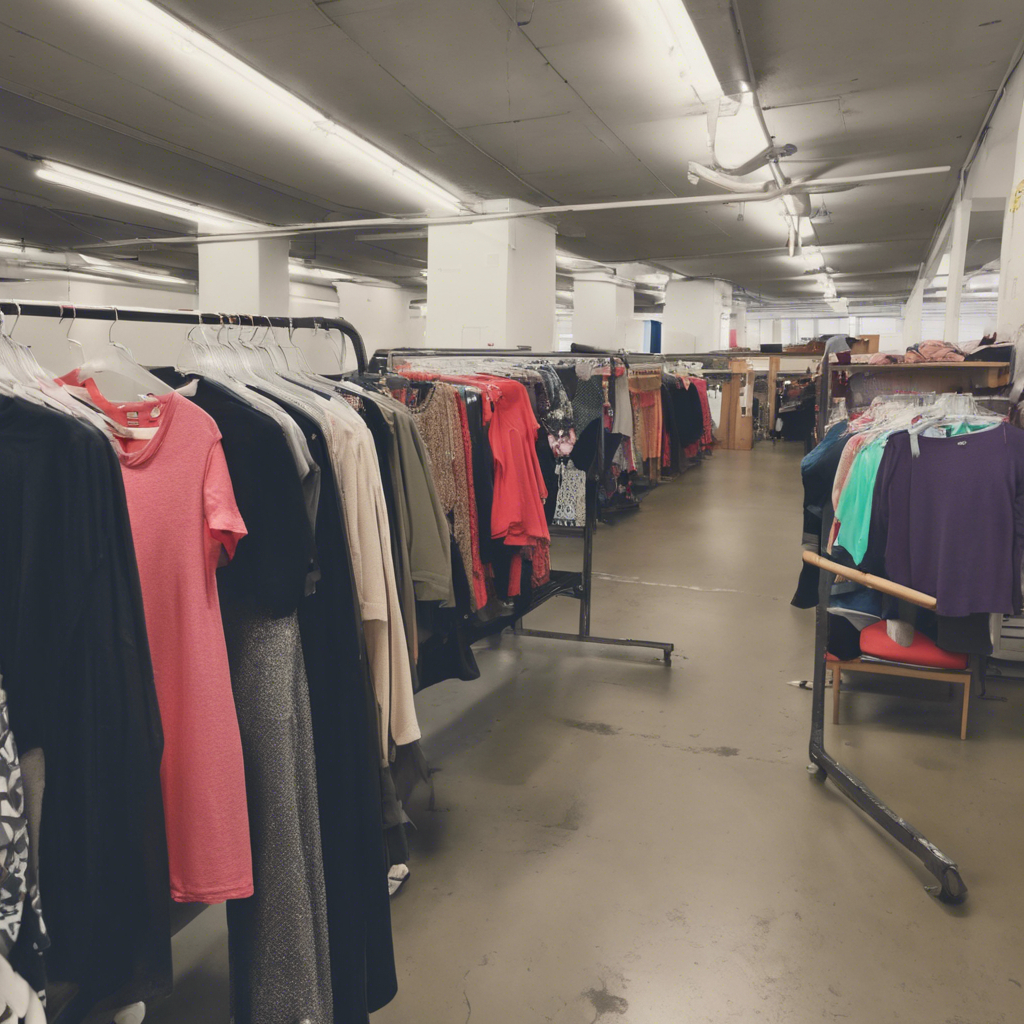
Many people don't realize how straightforward it is to make an impactful donation. Whether it's clothing, hygiene products, or financial contributions, every bit helps maintain the shelter's operations and programs. Your support can bridge the gap between despair and hope for those seeking refuge.
Domestic Violence Shelter Grants<<<<<<<<<<<<<<<<<<<<<<<<<<
Finding a nearby women's shelter is easier than ever with online resources and community outreach programs. Many organizations have websites detailing specific needs and ways to donate directly. Getting involved not only benefits others but enriches your own life by fostering compassion within your community.
Types of donations are accepted at Women's Shelter
Women’s shelters rely on various types of donations to support their programs and services. Some common types of donations that are accepted at women’s shelters include:
1. Monetary Donations: These are cash or check donations that can be used to cover the operating costs of the shelter, such as rent, utilities, and staff salaries.
2. Clothing and Personal Care Items: Women’s shelters often accept donations of gently used clothing, shoes, and personal care items like shampoo, soap, and toothpaste. These items can be given to women who have left their homes with little or no belongings.
3. Household Items: Shelters also accept donations of household items like bedding, towels, kitchenware, and furniture. These items can help women set up a new home when they leave the shelter.
women's shelter clothing donation near me<<<<<<<<<<<<<<<<<<<<<<<<
4. Non-perishable Food Items: Many women’s shelters have food banks to provide basic necessities for their residents. Donations of non-perishable food items like canned goods and dry goods are always appreciated.
5. Baby Supplies: Shelters that cater to pregnant women or mothers may accept donations of baby supplies such as diapers, formula, and clothing for infants.
6. Gift Cards: Gift cards for grocery stores or gas stations can be useful for women who are in transitional housing or preparing to leave the shelter.
7. Volunteer Time: Women’s shelters often rely on volunteers to help with various tasks such as organizing donations, answering phones, and assisting with events. Donating your time can be just as valuable as donating goods or money.
8. Professional Services: Some shelters may also accept donations of professional services like legal or counseling services for their residents.
It is always best to check with the specific women’s shelter you wish to donate to before making a donation to ensure that they are in need of the items you wish to donate.
Organization that accept Women's Shelter Donation
Many organizations actively accept donations for women's shelters, including:
1. National Coalition Against Domestic Violence (NCADV)
2. Women's Shelters Canada
3. YWCA
4. Salvation Army
5. Domestic Violence Shelter and Services Inc.
6. National Network to End Domestic Violence (NNEDV)
7. Safe Horizon
8. Women's Aid Federation of England
9. The Allstate Foundation Purple Purse
10. Crisis Center for South Suburbia
11. Womankind
12. Haven House Services
13. The Safe Project
14. Birmingham Crisis Center
15. Women's Center & Shelter of Greater Pittsburgh
16. Women's Resource Center
17. Women Helping Women
18. Harbor House of Central Florida
19. SafePlace
20. The Shelter for Abused Women & Children
How to donate to women's shelter near me
Donating to a women's shelter can be straightforward and rewarding. Here are four steps to follow when donating to a women's shelter near you:
1. Research local women's shelters: Start by researching women's shelters in your area. You can find these organizations through a quick online search or by contacting local community centers or social service agencies.
2. Contact the shelter: Once you have identified a few potential shelters, reach out to them directly to inquire about their current needs and donation policies. Some may have specific items they are in need of, while others may only accept monetary donations.
3. Prepare your donation: After speaking with the shelter, prepare your donation accordingly. This may involve purchasing new items such as toiletries, clothing, or household essentials, or gathering gently used items from your own home.
4. Make the donation: The final step is to make the donation itself. Depending on the shelter's policies, this may involve dropping off the items in person or mailing them to the organization's address. If making a monetary donation, be sure to follow the shelter's preferred method of payment.
Bonus tip: Many women's shelters also have wish lists on their websites or social media pages that outline their specific needs and how you can donate those items directly through an online retailer like Amazon. This can be a convenient and easy way to make a donation.
Find Women's Shelter Donation Near Me
Finding a women’s shelter donation center nearby can be simple by using online resources or contacting local organizations. Here are some steps to help you find a women’s shelter donation near you:
1. Search Online: The easiest way to find a women’s shelter donation center near you is to search online. You can use search engines like Google or Bing to look for “women’s shelter donations” or “women’s shelters near me”. This will provide you with a list of locations in your area.
2. Use Donation Websites: There are also websites dedicated to helping people find places to donate items such as clothing, household goods, and furniture. Some popular sites include DonationTown.org and DonateStuff.com.
3. Contact Local Organizations: You can also reach out to local organizations that support women in need, such as domestic violence shelters, homeless shelters, or community centers. These organizations may have drop-off locations for donations or be able to provide you with information on where to donate.
4. Check Social Media: Many shelters and charities use social media platforms like Facebook and Twitter to promote their donation needs and events. You can follow these pages or join local community groups on social media to stay updated on donation opportunities in your area.
5. Ask Friends and Family: Your friends and family may know of a women’s shelter or organization in need of donations. Reach out to them and ask if they have any recommendations or know of any donation drives happening in your area.
Remember to always contact the shelter or organization before dropping off donations to ensure they can accept your items and that they are in good condition. Donating to a women’s shelter is a great way to support your community and help those in need.
Your Donation is Tax-Deductible
When you make a donation to a women's shelter, it's not just an act of kindness; it can also provide financial benefits for you. Most shelters are nonprofit organizations, which means they’re eligible for tax-exempt status under IRS regulations. This allows your contributions to be tax-deductible.
To take advantage of this benefit, keep track of your donations. You will need receipts or acknowledgment letters from the shelter as proof when filing your taxes. Even small gifts can add up over time and may help reduce your taxable income.
Always consult with a tax professional if you're unsure about how much you can deduct or what documentation is necessary. Understanding these details ensures that you're maximizing both your generosity and potential tax savings while supporting vital services in your community.
Impact of Donation
Donations to women's shelters have a profound impact on the lives of many vulnerable individuals. They provide essential resources that help women and children escape abusive situations, offering them safety and support during challenging times.
Financial contributions can fund vital programs, such as counseling services, job training, and legal assistance. These initiatives empower survivors to regain their independence and build a better future for themselves and their families.
In-kind donations like clothing, hygiene products, or baby supplies play an equally important role. They meet immediate needs while restoring dignity to those who may feel overwhelmed by their circumstances. Each donation transforms lives in significant ways—creating hope where there was once despair.
Conclusion
Donating to a women's shelter near you is a meaningful way to support those in need. Your contributions, whether they are clothing, food, or financial assistance, can make a significant impact on the lives of women and children facing hardships.
Understanding what items shelters accept helps streamline your donation process. Many organizations also provide clear guidelines for giving, making it easier than ever to contribute.
Locating nearby women's shelters and taking steps to donate can be done quickly with some online research. Remember that many donations are tax-deductible, providing an added incentive for your generosity.
Every donation counts and plays a role in fostering hope and rebuilding lives within the community. Participating in this vital cause not only aids individuals but strengthens society as a whole by promoting healing and empowerment among vulnerable populations.
FAQs
What types of donations are accepted at women's shelters?
Women's shelters typically accept a wide range of donations, including:
Clothing: New or gently used clothing for women and children.
Personal Care Items: Hygiene products such as soap, shampoo, toothpaste, and menstrual products.
Household Items: Bedding, towels, kitchenware, and small household appliances.
Non-Perishable Food: Canned goods, dry goods, and snacks.
Gift Cards: For grocery stores, pharmacies, or clothing stores.
Are there any items that should not be donated?
Yes, some items are generally not accepted, including:
Used Furniture: Due to space and safety concerns.
Toxic or Expired Products: Items like expired medications or hazardous materials.
Open or Used Hygiene Products: These should be new and sealed for safety reasons.
Large Appliances: Such as refrigerators or stoves, unless specifically requested.
How can I find a local women's shelter that accepts donations?
You can find local women's shelters by:
Searching Online: Use search engines to find shelters in your area.
Contacting Local Agencies: Reach out to social services or community organizations.
Visiting Shelter Websites: Many shelters list donation information on their websites.
Checking Community Boards: Libraries, community centers, and religious institutions may have information.
Can I donate items directly to the shelter, or is there a specific process?
Many shelters accept direct donations, but it's important to:
Check Their Policies: Some shelters may have specific drop-off times or procedures.
Schedule an Appointment: Contact the shelter in advance to ensure they can accommodate your donation.
Follow Their Guidelines: Ensure items are clean and in good condition as per their requirements.
Are monetary donations accepted, and how can I make one?
Yes, monetary donations are often accepted and appreciated:
Online Donations: Many shelters offer online donation options through their websites.
Mailing a Check: You can send a check to the shelter's address, typically found on their website.
In-Person Donations: You can make a donation directly at the shelter if they accept cash or check.
Tax Deductions: Keep a record of your donation for tax purposes, as many shelters are 501(c)(3) nonprofit organizations.


Comments
Post a Comment